Ryanair Warns High Jet-Fuel Prices Could Stay Elevated Into 2028
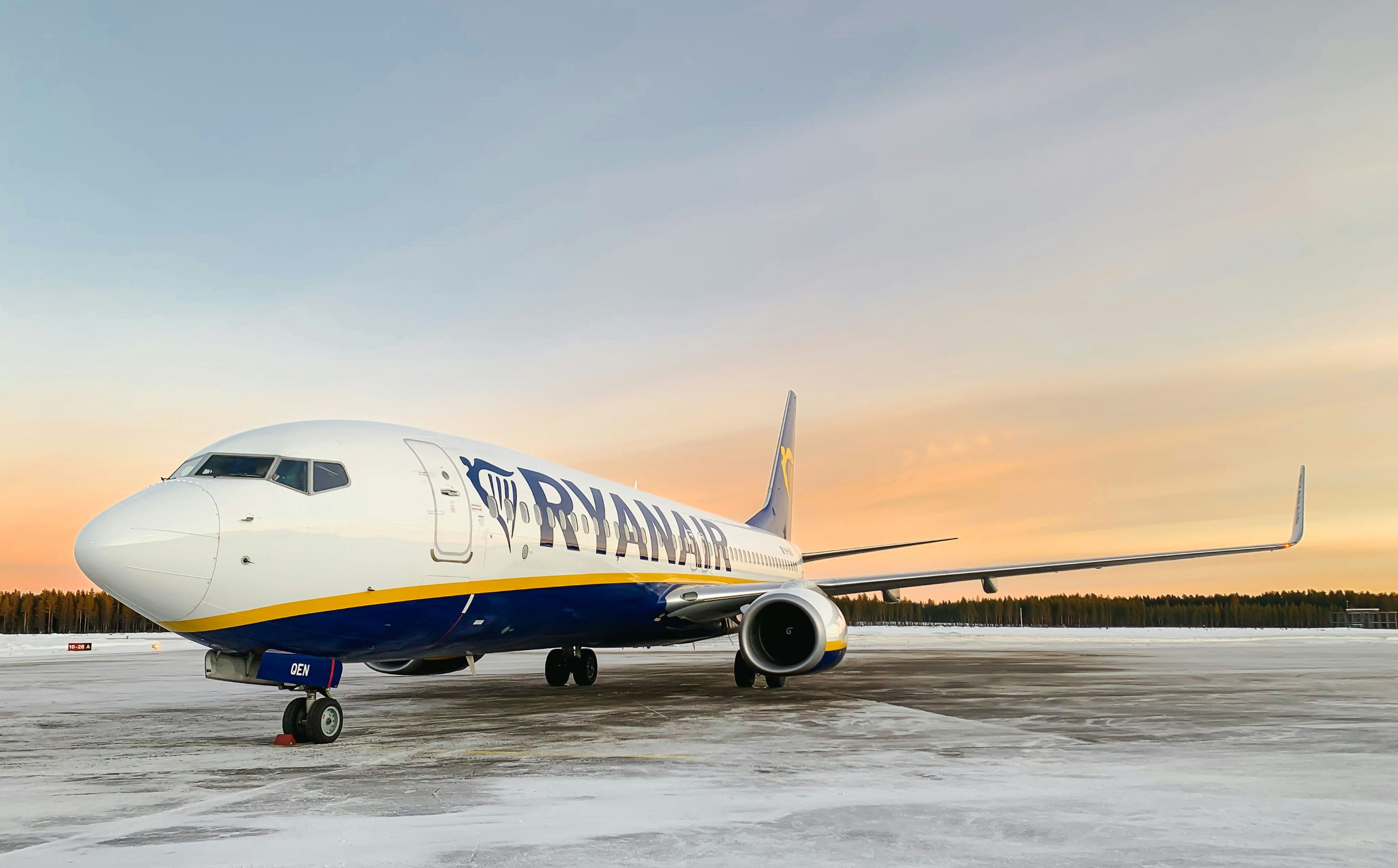
Air travel could remain more expensive for longer as European airlines face a prolonged period of high jet-fuel costs, with Ryanair warning that elevated prices could continue into 2028.
Ryanair Group CEO Michael O’Leary said on October 8 that jet-fuel costs are likely to remain high for the next 12 to 18 months and could extend into 2028. Current prices are around 50% above what the airline considers normal, with geopolitical tensions and disruption to energy markets putting additional pressure on fuel costs.
For travellers, the concern goes beyond the price displayed when booking a flight. Fuel is one of the biggest operating expenses for airlines, meaning a sustained increase can influence ticket prices, flight schedules and the number of routes carriers are willing to operate.
Ryanair has already been taking measures to reduce its exposure. The airline says it has hedged about 80% of its FY2027 jet-fuel requirements, helping protect much of its operation from short-term price movements.
However, that protection is not permanent. The remaining fuel requirement is exposed to market prices, meaning prolonged increases could eventually feed into operating costs.
The pressure is also being felt across the wider European aviation industry. Airline executives are increasingly warning that higher fuel expenses, combined with airport charges and other costs, could restrict capacity and make some routes less commercially viable. Ryanair has already announced plans to close its Berlin base in October, citing rising airport costs among the factors behind the decision.
For the travel industry, the biggest question is now how long airlines can absorb those costs before passengers begin to feel them more directly. If fuel remains expensive through 2027 and into 2028, travellers could see higher fares, fewer flights and changes to the destinations airlines prioritise.
The warning therefore extends well beyond Ryanair. It could shape the cost and availability of European air travel for years to come.